

Buying the worst house on the best street is classic advice in real estate, but does this strategy really pay off? Home buyers should always weigh their options before making an offer, and buying the worst home in the best neighborhood has its pros and cons. Here’s everything you should consider if you’re thinking about buying the least expensive property on the best street:
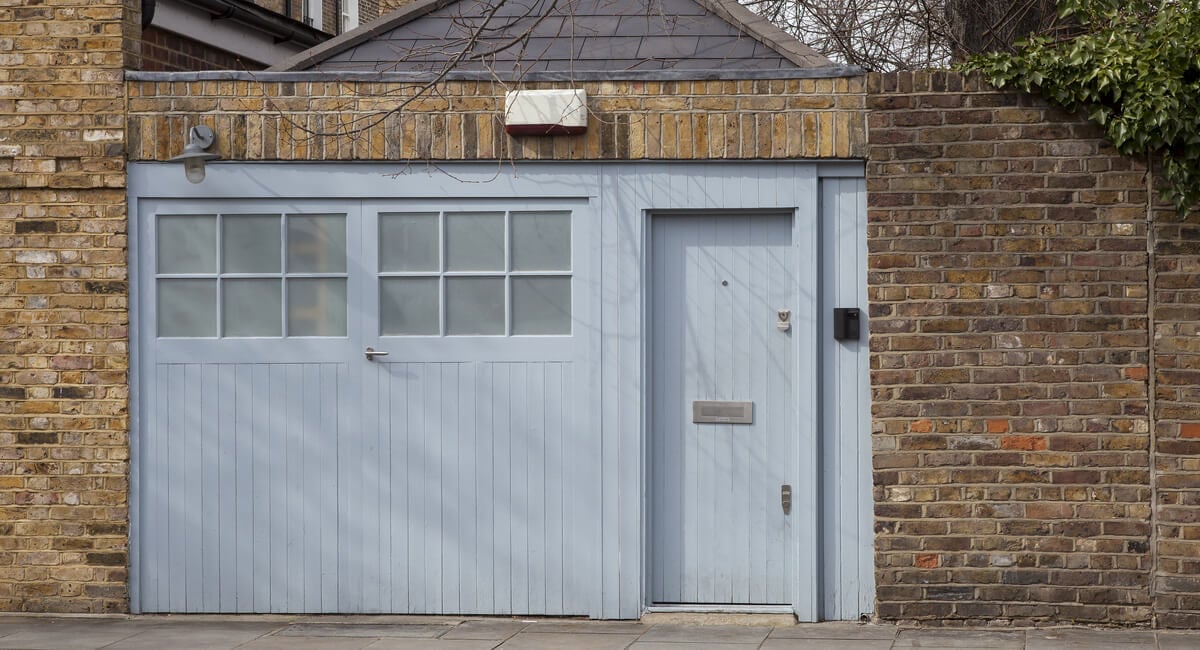
Benefits of Buying the Worst House in the Best Neighborhood
The least attractive or most inexpensive home in a great area can be an excellent investment. Here are four benefits of buying the worst house in the best neighborhood:
Location at a Discount
Many real estate experts agree that location is the most important factor when buying a home. You can renovate the house, but you can’t change where it’s located. Buying into a good neighborhood will almost always pay off.
No matter the quality of your house, you get to benefit from all the perks the neighborhood has to offer. This might include top-rated schools, well-kept parks, walkability, and other great features. The location will also help your home hold or increase its value, resulting in a strong return on your investment when you someday sell it.
Resale Value With Renovations
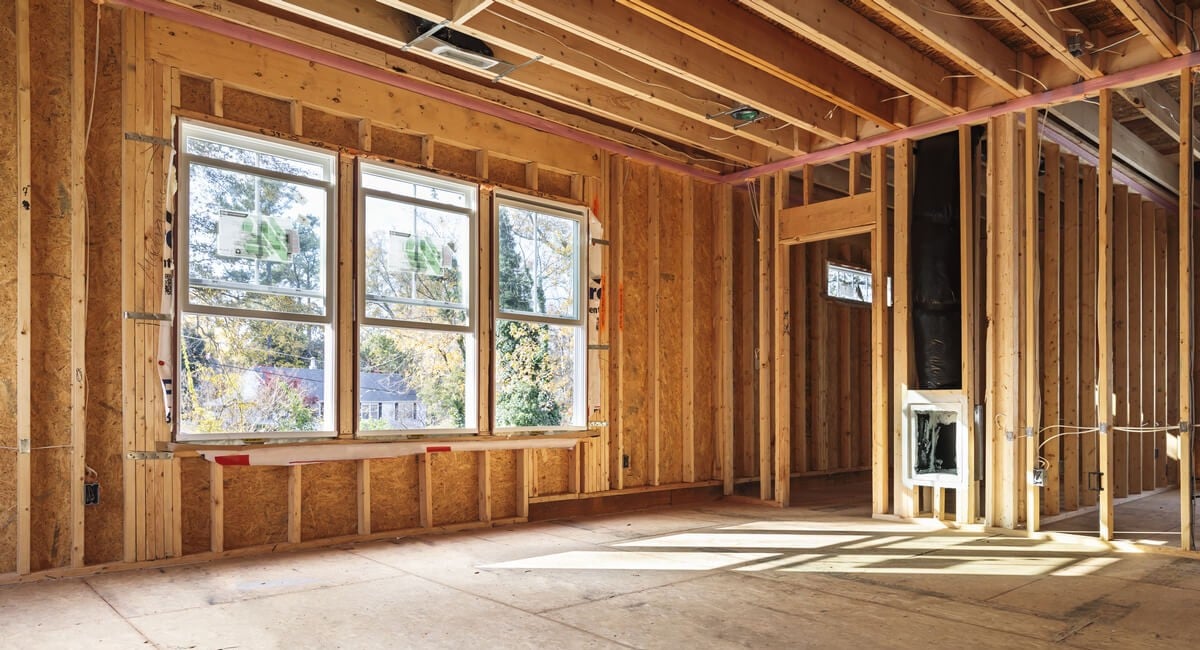
When you buy the worst house on the best street, the property has enormous room for growth. With the right upgrades and renovations, you can see your resale value skyrocket.
Home sales are the most successful when the property is similar in size and condition to the neighboring homes. If your house is already the largest or fanciest on the block, investing in major upgrades may not pay off because it can make the home seem out of place to potential buyers. However, bringing the worst house up to the standard of the rest of the street can pay off wonderfully.
Opportunity for Customization
One of the greatest benefits of buying a fixer-upper is the opportunity to turn it into your dream home. If you have a highly specific vision for what you want your house to look like, buying the least expensive house and renovating it can be a wise choice.
When you plan to put a lot of money and time into customizing your home, it’s okay if the property has cosmetic defects. You’ll be less concerned about the appearance of the floors, appliances, paint, and other details because you’ll likely be replacing them anyway.
Potential for Rental Income
Location is a key consideration for renters, too. If the neighborhood is popular for rentals, you could fix up the property and get a great return by renting it out. If your rental income exceeds your mortgage, you can reinvest the profits into further improving the home.
Risks of Buying the Worst House in the Best Neighborhood
While there are many benefits to buying the worst house on the nicest street, there can also be some drawbacks. Here are the biggest risks to consider before you try this strategy:
Maintenance Problems
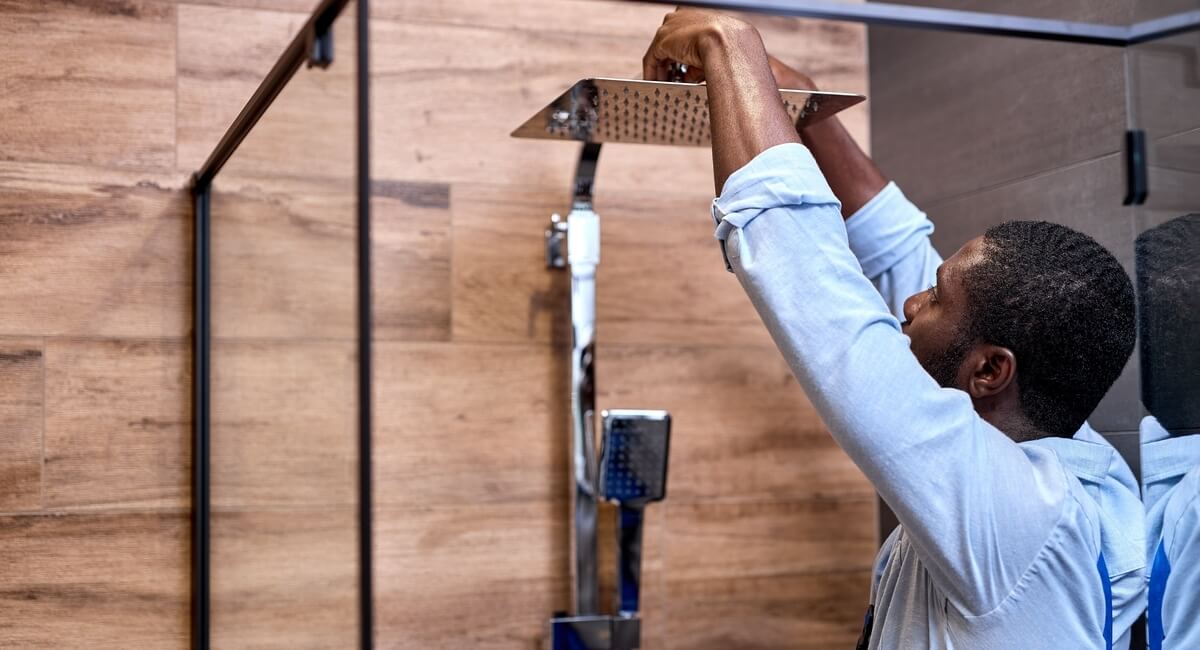
The cheapest house on the street is priced that way for a reason. There are almost certainly some maintenance issues that will cause problems for you as a homeowner.
It’s possible that the property only has cosmetic defects, but it’s more likely that the home has an aging roof, bad heating system, water damage, or other significant concerns. Additionally, you should expect minor maintenance problems to pop up regularly. While some homeowners are up to the challenge of fixing an old or unmaintained house, others don’t want to deal with the stress and uncertainty of buying a fixer-upper.
Financing Challenges
Securing financing for a house in disrepair can be difficult. FHA mortgages have extra inspection requirements that many fixer-uppers don’t meet. If the property needs major work, your mortgage lender may not approve your application.
You could apply for special forms of financing that are meant for fixer-uppers, such as an FHA 203(k) mortgage or a Fannie Mae HomeStyle Renovation loan. However, these programs have highly specific requirements for renovations, which can take away your feeling of freedom and opportunity when working on your home.
Renovation Stress
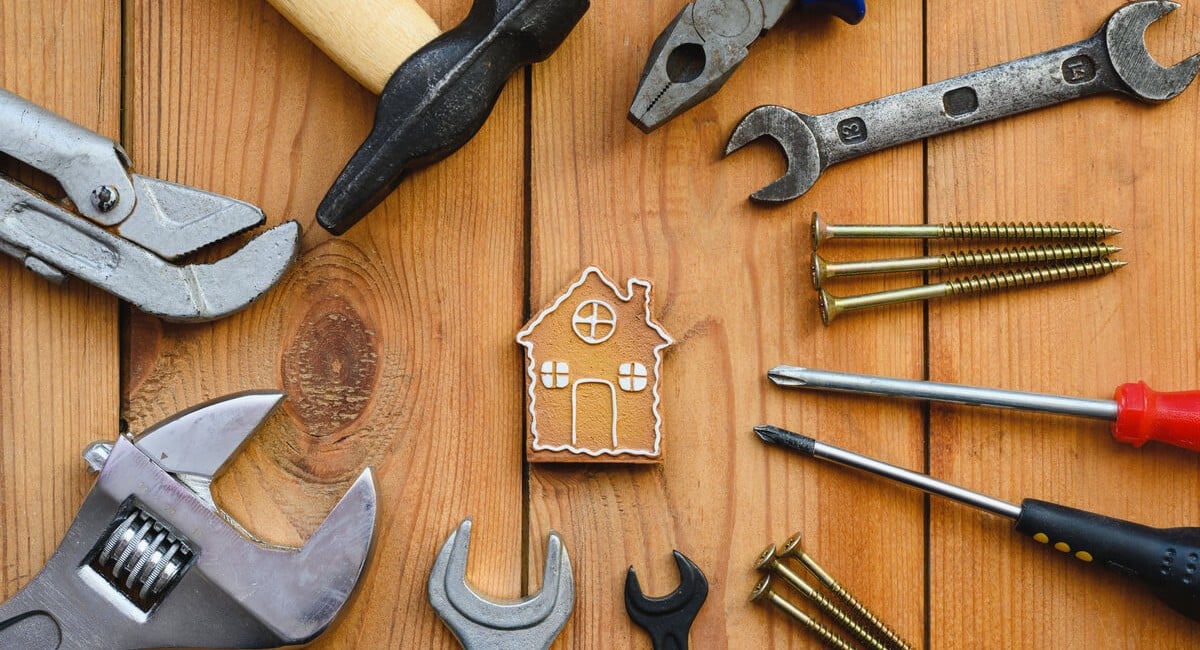
Renovating a house is not an easy feat. Home improvement projects almost always take longer and cost more than homeowners initially plan for.
If the property needs a lot of work, you might be looking at years of construction. The mess, noise, and time involved in these projects can start to weigh on anyone. While you can get an excellent return on your investment financially, you may find that it’s not worth the mental and emotional toll.
How to Successfully Buy the Worst House on the Best Street
Buying the least expensive house in the best neighborhood can be a great opportunity if you have the time and money to put into renovations. Here are four tips to do this right and avoid falling into a money pit:
Find the Right Neighborhood
Just because a house is cheaper than the neighboring properties doesn’t mean it’s where you want to settle down. Start by identifying what your perfect neighborhood looks like. Maybe it’s a community with high-quality schools, or maybe you want to live in an area with good public transportation.
Look for neighborhoods that meet your criteria, and review a variety of listings to get an idea of the average home values. Try to evaluate whether the neighborhood is rising or declining in popularity. Ideally, you’ll find an area with long-term potential for growth.
Think Long-Term
Having a long-term plan for your house is important when you’re trying to maximize your return on investment. Before you buy the property, think about how long you plan to live in the home and how much time you plan to dedicate to renovations. Typically, financial experts recommend living in a house for at least five years before selling it to make a profit.
Get an Inspection
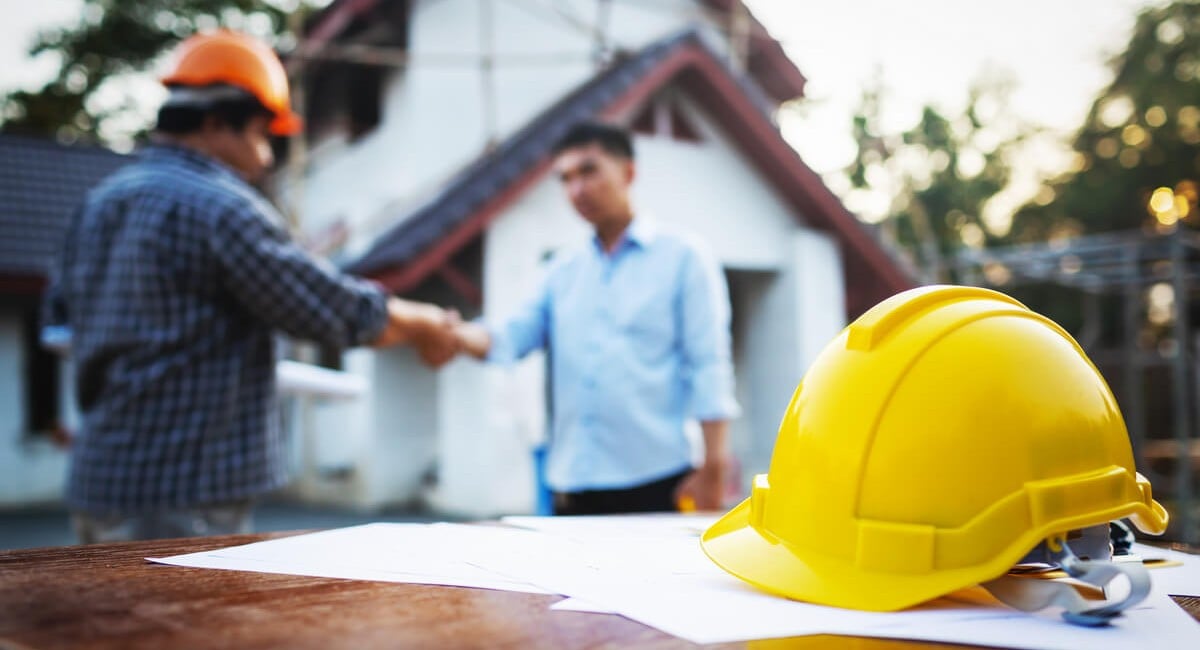
An inspection is vital when buying a home with potential maintenance problems. Although some buyers will waive the inspection to make their offer more competitive, you should always include an inspection contingency when purchasing a fixer-upper.
A home inspection will help you determine whether the property is fairly priced for the amount of work it needs. It can also help you set your budget for repairs and upgrades.

Budget for the Unexpected
Even with a detailed inspection report, unexpected maintenance issues will almost definitely arise. When you buy a house in poor condition, you should always have an emergency fund for surprise repairs. Make sure your monthly budget has some breathing room so that you can save up for the big projects.
Buying the worst home on the best street can be the perfect way to get into a great neighborhood without breaking the bank. However, you should be prepared for the costs and time involved in getting the house into good condition. If you’re curious about buying a fixer-upper, consult with a real estate agent who knows the market trends in your area and can help you spot a good deal.